
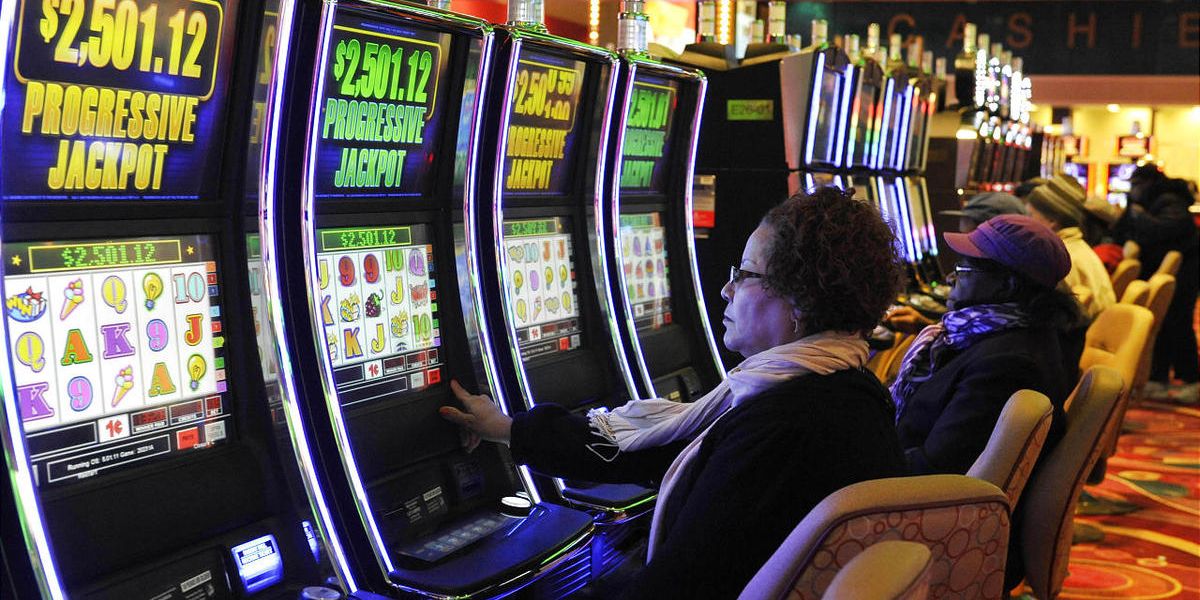
When someone in Canada engages for an interactive gaming session, a hidden architecture functions to safeguard them: operator standards, license conditions, and regulatory oversight https://beepsbeep.ca/legal-and-affiliates/. These frameworks contrast significantly depending on the issuing jurisdiction. For a platform like Beep Beep Casino, understanding those differences isn’t just about compliance; it’s a core business principle. The most respected operators voluntarily implement measures that go beyond legal minimums, establishing a layered safety net. This article evaluates responsible operator standards across several key dimensions: identity verification, deposit limits, affiliate ethics, and dispute resolution. By analyzing these elements, you can see what truly distinguishes a careful operator from one who is merely licensed in Canada’s digital entertainment space.
Data Privacy and Complaint Handling Processes
Handling personal data properly is essential for operating responsibly. Canadian operators must follow the Personal Information Protection and Electronic Documents Act (PIPEDA), which mandates meaningful consent for data collection, strict purpose limitation, and individual access rights. Comparing international standards, the European GDPR sets an even greater bar with its principles of data minimization and privacy by design, requiring systems architected from the ground up to protect personal information. A responsible operator standard integrates these frameworks, naming an independent Data Protection Officer, conducting regular Privacy Impact Assessments, and encrypting all personally identifiable information at rest and in transit using AES-256 standards. The policy must clearly state whether behavioural data is used for marketing profiling and present a clear opt-out without harming the core service experience.
When a disagreement emerges, the dispute resolution process reveals a lot about an operator’s values. The baseline standard requires an internal complaints procedure with defined response times, typically acknowledging a complaint within 24 hours and providing a substantive response within 8 weeks. A superior standard incorporates an independent Alternative Dispute Resolution (ADR) body from the outset. Services like eCOGRA, the Independent Betting Adjudication Service (IBAS), or the Kahnawake Gaming Commission’s own dispute process offer a binding, low-cost avenue for players unsatisfied with the operator’s internal decision. The operator must consent to be bound by the ADR ruling up to a certain monetary threshold. In Canada, provincial regulators also provide an escalation path. The willingness to defer to an external adjudicator’s binding decision, rather than concealing behind mandatory arbitration clauses in distant jurisdictions, is the hallmark of a truly accountable operator standard.
Player Identification and Age Confirmation Protocols
No responsible operator standard works without a secure identity verification gateway. The tightest standards mandate multi-source electronic verification at account creation, cross-referencing name, address, and date of birth against credit reference agencies or government databases before any deposit is processed. This is a strict block, not a post-deposit audit. By contrast, some outdated licensing systems allow a grace period where a player can deposit and play for up to 72 hours before completing full verification. The https://www.skysports.com/racing/racecards/delaware-park/07-08-2024/1251067/race-4-maiden-special-weight difference in risk between these two approaches is enormous. The grace period model, while user-friendly for users, creates a window where a self-excluded individual or a minor could theoretically access real-money games. Leading Canadian-facing platforms more and more reject that delay, adopting the zero-tolerance approach preferred by the AGCO and UKGC.
Documentary verification supplements electronic checks when data sources return inconclusive results. Standards diverge on acceptable document types and storage protocols. High-standard operators insist on a government-issued photo ID combined with a recent utility bill or bank statement showing the registered address. They also enforce strict data minimization policies, hiding sensitive ID numbers in stored copies and purging raw documents after a defined retention period under PIPEDA guidelines. Lower-tier standards might allow a wider range of documents with less rigorous redaction. The physical and digital security of servers, encryption standards in transit, and access control lists for internal staff all are part of the verification standard. A responsible operator treats identity data as a sensitive resource, necessary but secured with the highest possible safeguards against breach and misuse.
Safe Betting Intervention Protocols
Going past self-service tools, the highest standards define a clear intervention process when player behaviour signals potential harm. This starts with sophisticated markers of harm detection: algorithms monitoring not just net loss, but chasing behaviour, cancelled withdrawal requests, session length escalation, and late-night play patterns. When activity activates a pre-defined risk threshold, the standard specifies a specific sequence of actions. The list below describes the typical escalation pathway utilized by top-tier operators:
- An automated in-session pop-up that presents session duration and net expenditure
- A tailored email from a trained responsible gambling officer within 24 hours of the trigger event
- A compulsory phone conversation with a human intervention specialist before further deposits are accepted
- A short-term account suspension with a mandatory cool-off if the player cannot be reached or refuses to engage
- A redirection to independent support services like ConnexOntario or Gambling Therapy for specialized counselling
Self-exclusion remains the ultimate circuit breaker, but its implementation fluctuates widely in quality. A strong standard delivers a unified self-exclusion scheme spanning all brands owned by the operator, not just a single site. In Canada, while a national centralized self-exclusion database is still evolving, provincial programs like Ontario’s iGaming Ontario self-exclusion connect multiple operators. A responsible operator aligns with these schemes smoothly and also offers a cool-off option for shorter, reversible breaks. Crucially, the standard stipulates that marketing communications stop immediately upon self-exclusion and that any residual balance in the player’s account is returned without undue delay. Operators who keep the self-exclusion process hard to find, burying it under multiple menu layers, or who impose cumbersome administrative hurdles for balance return flunk the comparison test at a fundamental level.
Fair Play and System Reliability
The core mathematics of any game must be demonstrably fair and independently audited. Operator responsibility standards demand that Random Number Generators (RNGs) receive periodic testing by recognized independent labs such as iTech Labs, GLI, or BMM Testlabs. These audits do not merely certify the RNG once; they require ongoing, periodic re-certification and, in some jurisdictions, real-time monitoring that samples RNG outputs against theoretical statistical norms. The standard covers disclosing theoretical Return to Player (RTP) percentages for each game, enabling informed selections. A comparison of standards highlights a gulf between operators publishing a single, vague RTP range for their entire library and those offering game-specific RTP figures checked monthly.
Live dealer games introduce a different technical challenge, shifting the fairness burden from software algorithms to physical equipment and procedural integrity. Top-tier operators require that live studio cameras capture all angles of the dealing table without blind spots, that cards are mixed and cut under constant monitoring, and that dealing shoes are regularly inspected for tampering. The technical standard also addresses latency and stream resilience; a player should not be economically harmed by a dropped connection. Clear protocols specify exactly how a hand or spin is resolved when a client-side disconnection happens mid-game. For Beep Beep Casino, working only with studios and game providers holding multiple jurisdictional certifications secures the same rigorous standard is applied whether the player accesses a slot in Vancouver or a blackjack table streamed from Riga.
Licensing Jurisdictions and Their Main Mandates

The territory of a gaming license influences every procedural step that follows. The Kahnawake Gaming Commission, located within the Mohawk Territory of Kahnawake in Quebec, holds a unique spot in the Canadian picture. Its regulations concentrate on keeping player funds separate, auditing game fairness, and providing a comprehensive dispute resolution process. Across the Atlantic, the Malta Gaming Authority (MGA) applies a detailed multi-tiered licensing system that groups games by risk and demands specific technical standards at each tier. The United Kingdom Gambling Commission (UKGC) often serves as the international benchmark for consumer protection; it mandates extensive affordability checks and has banned credit card use for gambling altogether. Each jurisdiction creates its own compliance culture, and an operator holding multiple licenses must blend these requirements, usually deferring to the strictest standard to maintain steady compliance across markets.
Beyond well-known regulators, the Alcohol and Gaming Commission of Ontario (AGCO) has become a key influence in Canada’s evolving provincial model. The AGCO’s standards demand operators to put in place a full responsible gambling strategy that includes mandatory training for all customer-facing staff and algorithms that identify erratic playing patterns. Meanwhile, the Gibraltar Regulatory Authority concentrates heavily on senior management integrity and the financial stability of licensees. Comparing these mandates reveals a common thread: the focus on a formal, written policy that treats player safety as something you quantify, not just a vague aspiration. For Beep Beep Casino, aligning with jurisdictions that prioritize transparent reporting and independent audits keeps internal standards high no matter how regulations change.
Financial Deposit Control and Financial Protections
Standards of financial accountability show up most tangibly in the mechanisms supplied to handle deposits. A core regulatory requirement across many authorities is a universal deposit limit establishment at registration. But the specificity and implementation of those limits distinguish mediocre operators from excellent ones. A premium standard, as seen under MGA and UKGC guidance, stipulates that any increase in a deposit limit become active only after a mandatory 24-hour cooling-off period, while decreases apply immediately. This asymmetrical mechanism mitigates impulsive decisions made during a losing streak. Operators are also required to provide sub-limits on daily, weekly, and monthly bases, so players can allocate across different time horizons. The absence of a cooling-off period for limit increases is a major red flag when comparing standards.
Beyond user-controlled limits, proactive affordability checks represent the most advanced edge of financial safeguarding. Instead of waiting for a player to set a limit they may not fully understand, the operator’s system systematically determines whether deposit velocity and volume align with known income profiles or declared financial capacity. When anomalies emerge, a trained human intervention team reaches out to the player directly. This standard is resource-intensive and remains contentious because of privacy implications, yet it is increasingly required in strict white markets. Operators that utilize these checks transparently, explaining what data sources they use and letting players contest automated flags, build a more resilient trust framework. The segregation of player funds in a separate, protected bank account, independent of operating capital, is another indispensable pillar every Canadian player should verify exists.
Affiliate Programme Integrity and Openness
The affiliate marketing channel, where partner sites promote brands in exchange for commission, is a key factor for responsibility or its undermining. A high-standard affiliate programme, such as the one maintained by Beep Beep Casino, upholds a strict code of behavior prohibiting affiliates from contacting self-excluded players, pushing irresponsible communication, or claiming unsubstantiated statements about winning probabilities. Commission structures by themselves are a benchmark. Ethical operators steer clear of pure cost-per-acquisition models that promote numbers over quality and instead prefer hybrid or revenue-share structures that synchronize the affiliate’s long-term benefit with the player’s continued, healthy enjoyment. The most advanced programmes feature clauses that terminate affiliate agreements if referred players show disproportionately high degrees of self-exclusion or problematic play.
Transparency in affiliate relationships is required by advertising rules agencies in Canada and upheld by authorities like the AGCO. Every affiliate page must clearly disclose the commercial type of the relationship, using clear language such as “advertisement” or “paid partnership,” not concealed in obscure fine print. The company bears ultimate liability for overseeing affiliate content, which requires a dedicated compliance department that consistently audits partner websites. Key compliance verification aspects are the following:
- Verify that bonus conditions and requirements are explicitly stated, without misleading exaggerations
- Check that information does not indicate gambling fixes financial problems or functions as a kind of income
- Verify proper age-gating tools and responsible gambling communication on all landing sites
- Ensure no illegal application of operator logos or copyrighted content from rivals
- Audit that all review content is original and not plagiarized from other websites
A comparison of operator norms in this area quickly distinguishes those who see affiliates as a hands-off acquisition channel from those who regard them as an part of their own compliance boundary, held to the same strict marketing standards.
Common Questions
What qualifies a gaming licence reliable for Canadian players?
Search for a regulator with a demonstrated track record of enforcement, clear audit obligations, and user-friendly dispute resolution. The Kahnawake Gaming Commission gives Canadian players a domestic choice that emphasizes player fund protection. Globally, the Malta Gaming Authority and UK Gambling Commission impose strict operating standards. In Ontario, the Alcohol and Gaming Commission of Ontario now defines the bar for the regulated market. You should always look up the licence number on the regulator’s public register and see if the operator has any past fines or enforcement actions.
How does Beep Beep Casino maintain responsible gambling standards are met?
Beep Beep Casino incorporates responsible gambling protocols into the platform architecture from the start, not as an afterthought. That covers mandatory deposit limits with asymmetrical cooling-off periods, reality check pop-ups, and a trained internal team that intervenes when algorithms detect markers of harm. The operator sustains partnerships with independent research organizations to improve its detection models. All customer-facing staff complete annual responsible gambling certification. In addition, the platform takes part in recognized self-exclusion schemes and sees to it that self-excluded players are removed from all marketing databases within 24 hours of their request being processed.
What represent the primary distinctions between a deposit limit and an affordability check?
A deposit limit is a cap the player sets on how much money can be moved into a gaming account over a certain period. It relies on player self-awareness. An affordability check, by contrast, is an operator-driven assessment that compares a player’s actual spending patterns against independent data or declared income to gauge if losses are sustainable. Deposit limits are a universal baseline tool; affordability checks are a more thorough, advanced similarweb.com standard that is becoming mandatory in jurisdictions like the United Kingdom. Using both gives vulnerable players a layered financial safety net.
Why is third-party game auditing essential for fairness?
Third-party game auditing delivers an impartial, mathematical verification that game outcomes are random and match the published Return to Player percentages. Without independent labs like iTech Labs or GLI repeatedly testing the Random Number Generator, a player has only the operator’s word that the software isn’t manipulated. Regular audits scrutinize the RNG’s seeding, distribution, and unpredictability. For live dealer games, auditors examine physical equipment and operational procedures. This external validation is the bedrock of technical integrity, ensuring the house edge works exactly as advertised and no hidden algorithms work against the player.
What should an ethical affiliate programme prohibit?
A trustworthy affiliate programme is required to ban marketing to minors, directing ads at self-excluded individuals, and using misleading content that portrays gambling as a source of income. It should ban unauthorized use of copyrighted material and demand clear “advertisement” disclosures. Commission structures must not reward reckless acquisition; pure CPA models that emphasize volume over player well-being are a red flag. The operator must carry out proactive compliance audits of affiliate sites, with the contractual right to suspend commissions or terminate partnerships immediately if an affiliate promotes irresponsible messaging, uses spam, or runs opaque review sites that hide their commercial agenda.
In what way does PIPEDA affect a Canadian player’s data rights?
Under the Personal Information Protection and Electronic Documents Act, Canadian players possess the ability to know why their personal data is collected, how it is used, and with whom it is shared. They may retrieve their data and ask for corrections. Operators must obtain meaningful consent before leveraging data for secondary purposes like marketing profiling. PIPEDA also mandates safeguards proportional to data sensitivity, meaning financial and identity documents need encryption and strict access controls. If a data breach creates a real risk of significant harm, the operator must alert affected individuals and the Privacy Commissioner of Canada.
What defines the role of an Alternative Dispute Resolution body?
An Dispute Resolution body offers an independent channel for addressing disputes between a player and an operator when the company complaints process stalls. Bodies like eCOGRA or IBAS assess evidence from both sides and issue a final decision. This mechanism is crucial because it stops the operator from being the ultimate judge in its own case. A trustworthy operator standard necessitates participation in an approved ADR scheme, so players don’t face excessive legal costs to obtain redress. The process is typically free or low-cost for the complainant and quicker than court litigation.